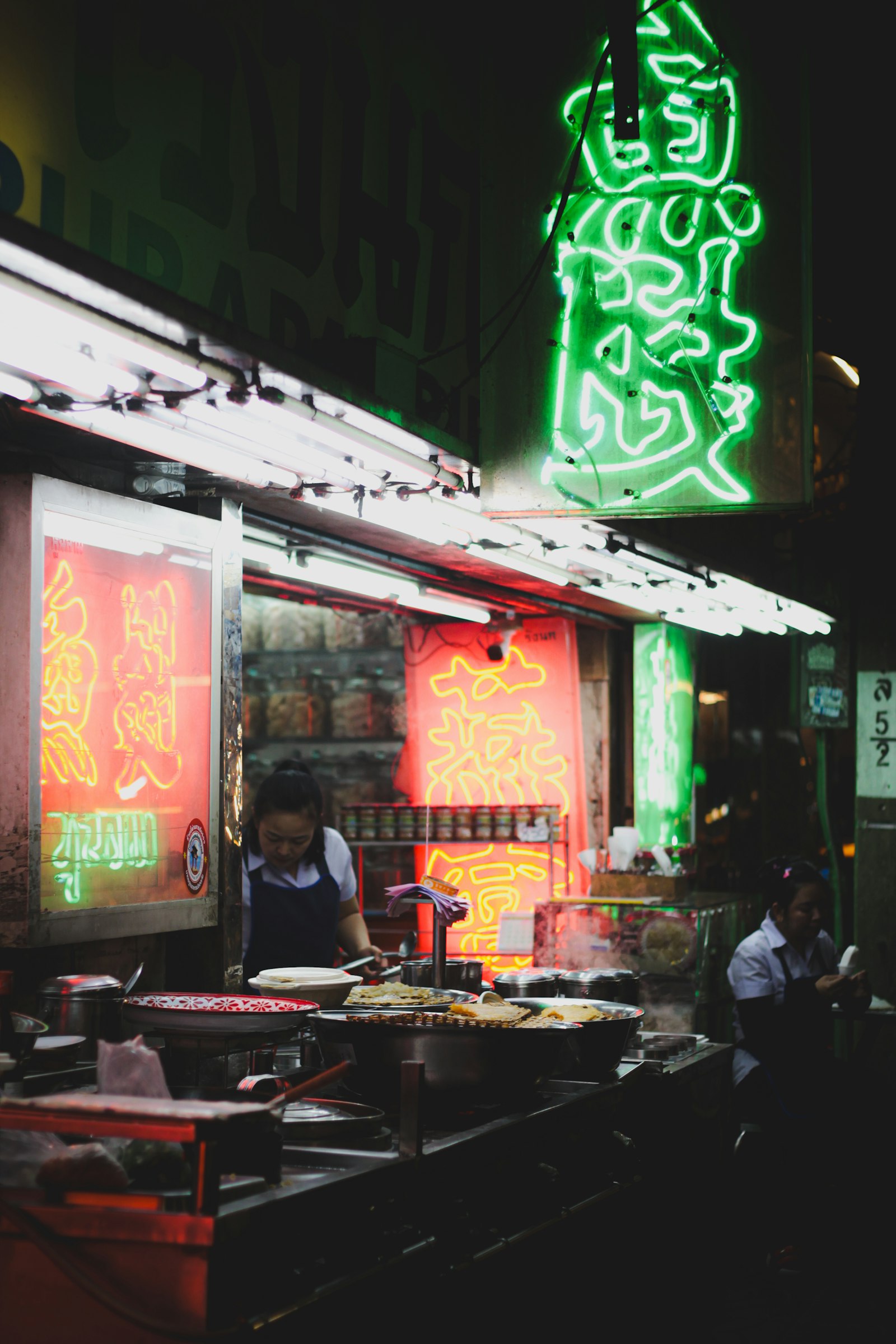
Halal Food at Hua Hin Markets: A Muslim Traveller's Guide
Halal Food at Hua Hin Markets: A Muslim Traveller's Guide
Thai market food is one of the great joys of visiting Hua Hin — and if you eat halal, the good news is you don't have to sit it out. Thailand has a significant Muslim population, southern Thai Muslim cooking is some of the best food in the country, and Hua Hin's markets have more halal-friendly options than most visitors expect. You just need to know what to look for.
The quick answer
You'll find halal food at Hua Hin's markets in three forms: stalls run by Thai Muslim vendors (often displaying a green-and-white halal sign in Thai or Arabic), seafood grills where the catch is cooked simply over charcoal, and southern-Thai specialities like khao mok gai that are halal by tradition. Pork is common at Thai markets, so the key skills are reading the stall and asking one or two simple questions.
How to spot a halal stall
- Look for the halal logo — a green diamond with Arabic script, issued by Thailand's Central Islamic Council, on the cart or signage.
- Look at the vendor. A hijab-wearing cook or a stall named for southern provinces (Pattani, Yala, Satun) is a strong signal.
- Look at the menu. Stalls built around chicken, beef or seafood — with no pork on display — are your candidates; confirm with a question.
- Ask. "Aahaan halal mai?" (Is this food halal?) is understood everywhere. "Mai sai muu" means "no pork", and "mai sai nam plaa" adds "no fish sauce" if you're strict about it.
What to eat: the halal-friendly hit list
- Khao mok gai — Thai chicken biryani, turmeric rice with fall-apart chicken and a sharp green chilli sauce. The signature dish of Thai Muslim cooking and always halal from a Muslim-run stall.
- Chicken satay — charcoal-grilled skewers with peanut sauce and cucumber relish.
- Grilled seafood — Hua Hin is a fishing town: whole grilled fish, prawns and squid with seafood dipping sauce need nothing but a squeeze of lime.
- Roti — the flaky griddle bread, sweet with banana and condensed milk or savoury with curry, almost always from Muslim vendors.
- Mataba — roti's stuffed cousin, folded around spiced chicken and egg.
- Fresh fruit and juices — mango, pomelo, rambutan and fresh-pressed juices are everywhere and worry-free.
Which markets to head for
Hua Hin Night Market (the original, on Dechanuchit Road) has the widest spread — look along the side sois for satay and roti carts, and the big seafood grills mid-strip. Grand Night Market and the beachside walking streets both have roti and grilled-chicken vendors most evenings. For morning eating, the fresh-market area around Chatchai Market includes chicken rice and southern-style curry stalls — go before 9am when everything is freshest. Further afield, the Friday and weekend markets toward Pran Buri usually field at least one khao mok gai cart. For opening days, hours and exact locations of every market in the area, use the live market finder at FindThaiNow.
Practical tips
- Eat where Muslim families are eating. The most reliable certification at a market is a queue of local Muslim customers.
- Watch the oil and the wok. Dedicated halal stalls cook only their own food; if a mixed stall fries everything in one wok, order grilled instead.
- Carry small notes. Most dishes run 40–80 THB; a full halal dinner rarely passes 200 THB.
- Go early in the evening. Popular khao mok gai vendors sell out — arriving at 6pm beats arriving at 9pm.
Hua Hin rewards market eaters of every kind, and eating halal here is less about restriction and more about discovering one of Thailand's best regional cuisines. Browse the full market directory and food guides at findthainow.com to plan your evenings — and if you're still choosing where to stay, Eezystay members book Hua Hin's beachfront resorts at member-only wholesale rates through eezystay.com, most within a short walk of the night market itself.
